
Lot 01
The Kimberley Strand
White South Sea · Tallon Reef, Kimberley coast, Western Australia · lifted 2023 · graded New York
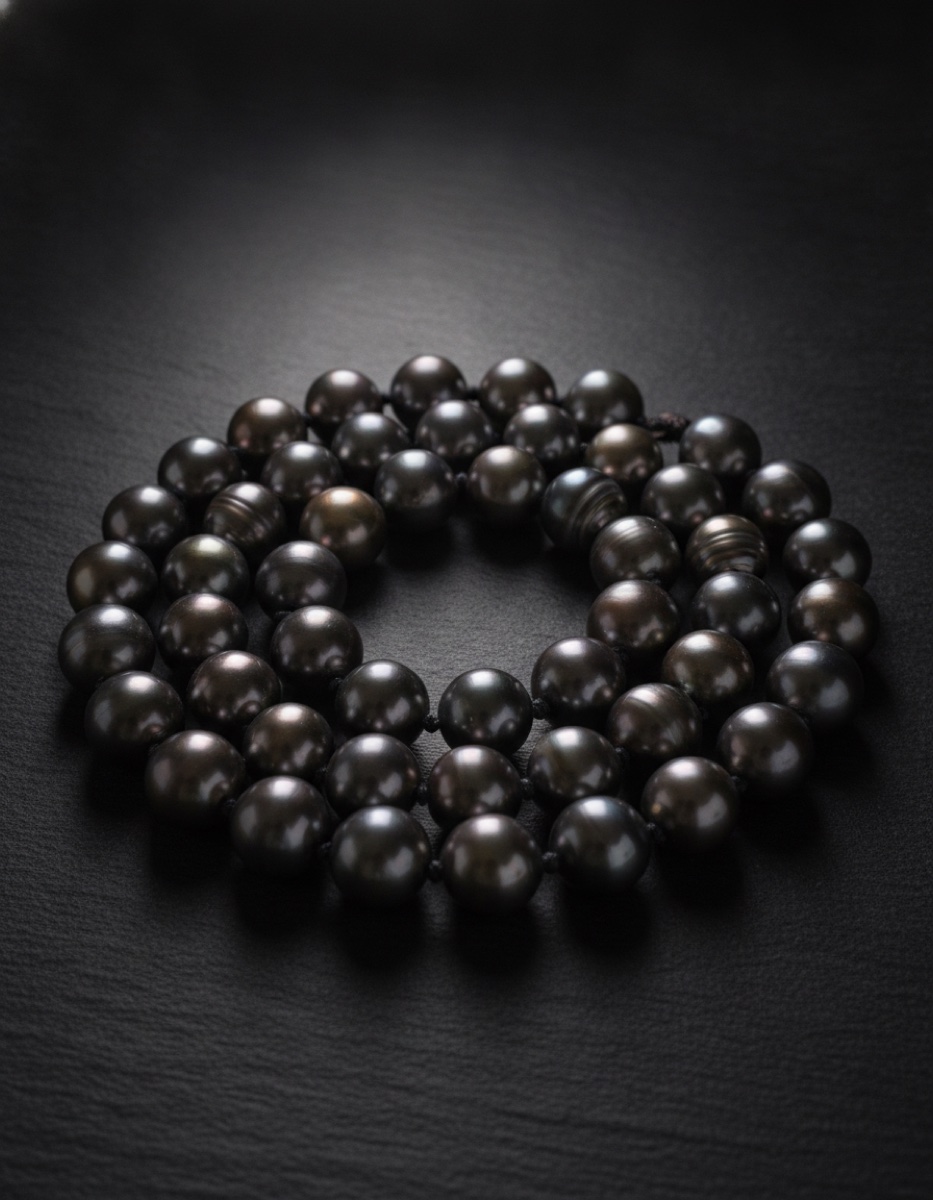
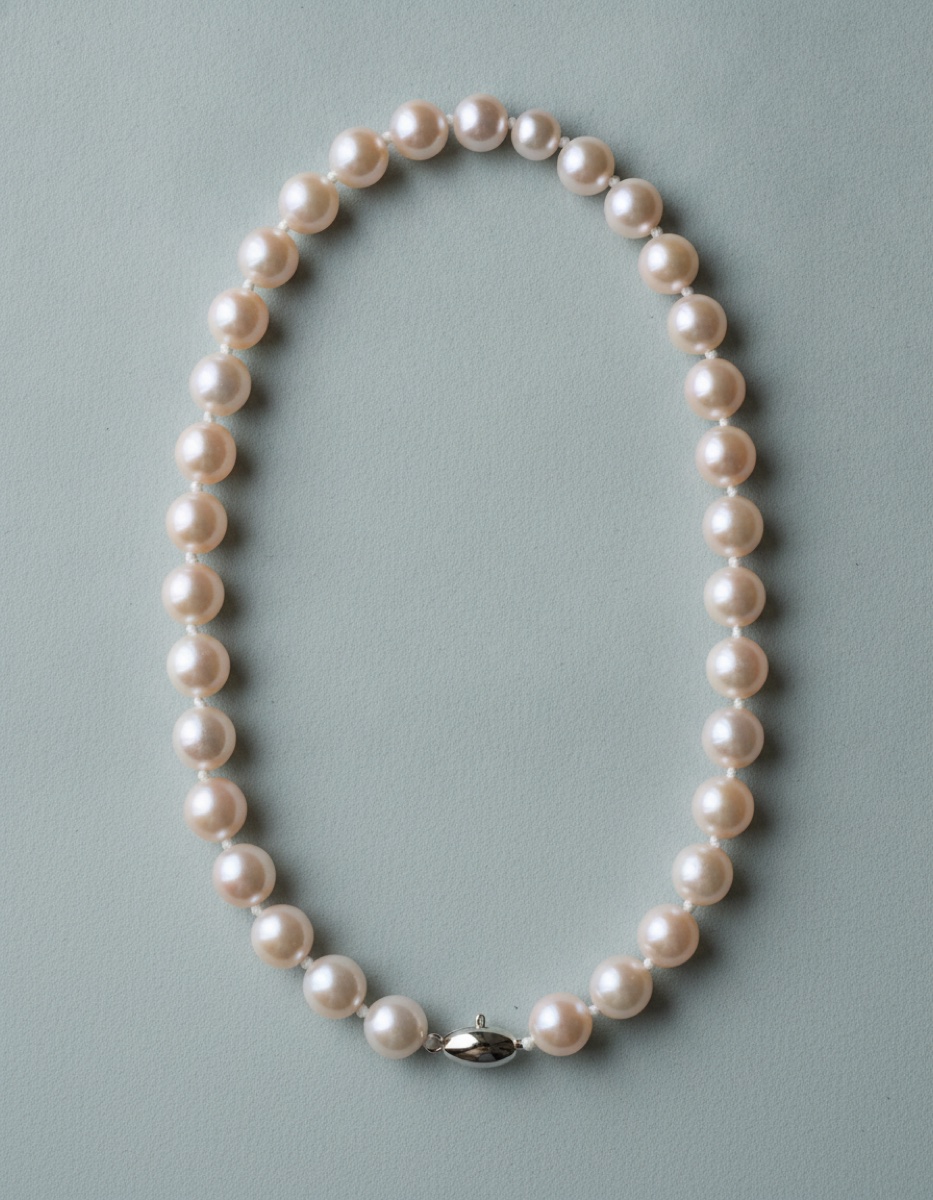
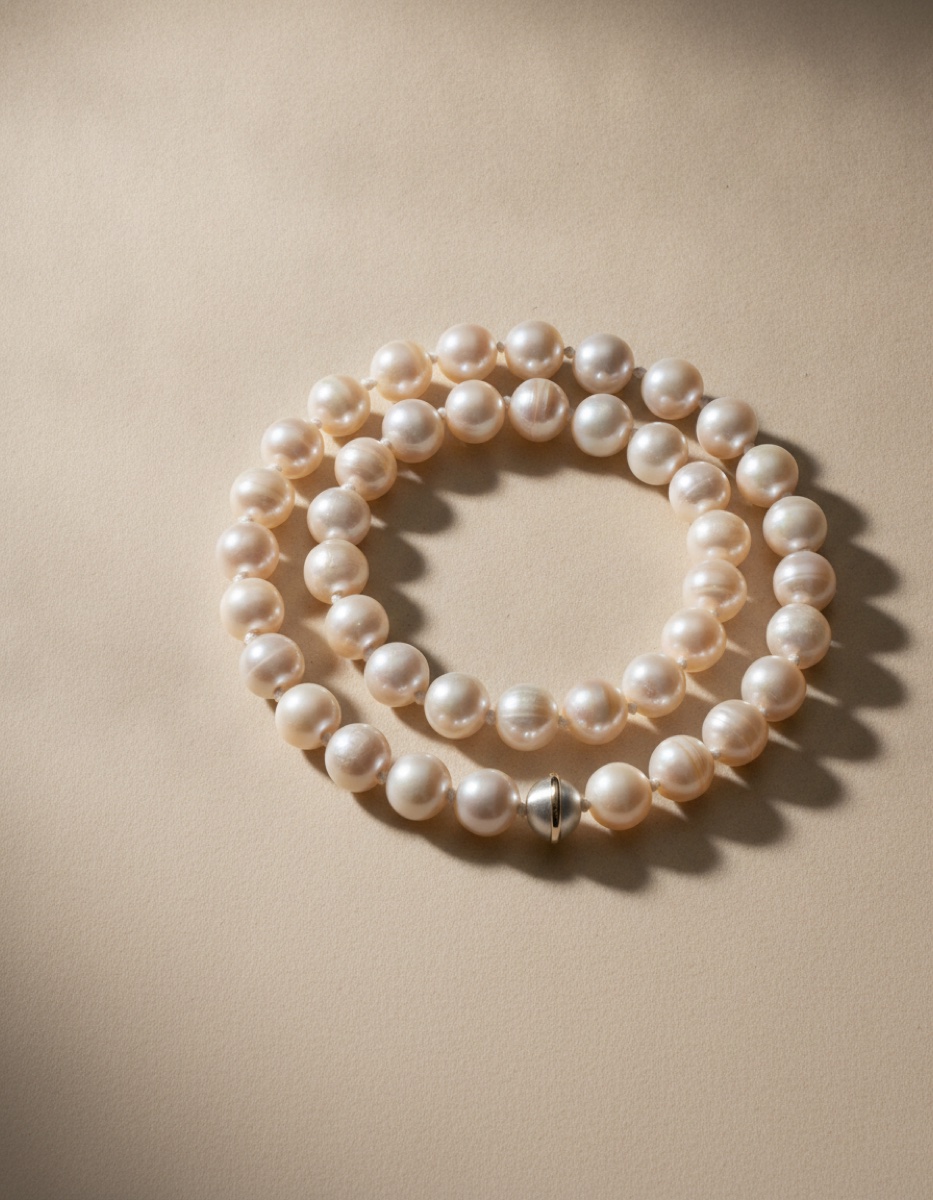
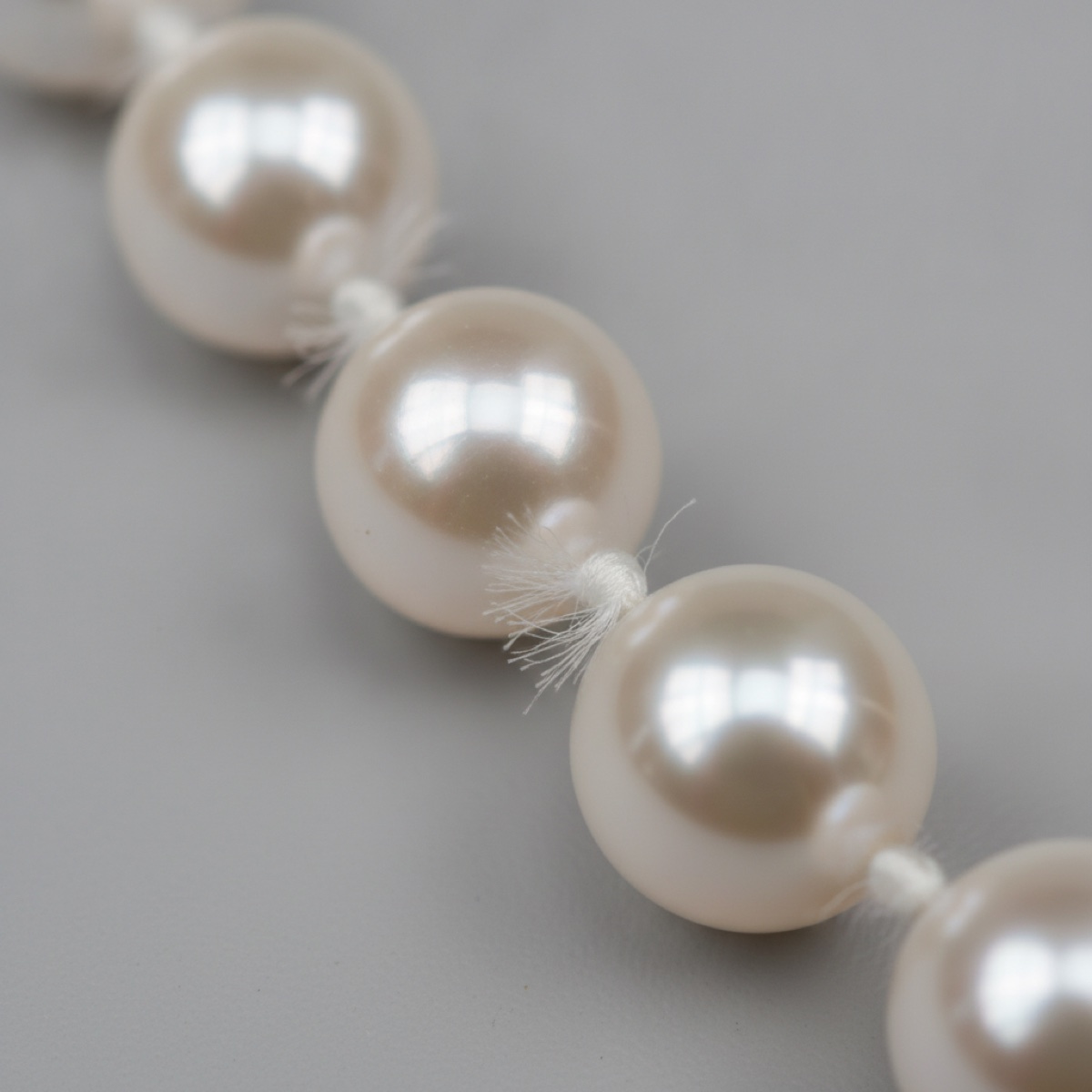
Fifty-one pearls, graduated from 12mm at the clasp to 14.2mm at the centre, all from a single harvest on one lease. A strand this size is normally assembled over years from several sources, and you can see the joins. This one came out of the water together, which is why the colour holds all the way round.
The pearls carry a white body with a silver-rose overtone — hold the strand near a window and the pink lifts; hold it under a lamp and it goes to silver. That shift is what the trade calls orient, and it only happens when the nacre is thick enough to split light on its way back out.
Strung double-knotted on ivory silk with French wire at the clasp, so the thread never rubs against metal. Restringing is free for as long as you own it.
$18,400 including insured delivery and the signed report
Which length is right? Drawn to scale
Just below the collarbone. The default, and the safest gift.
- 30-day returns, shipping paid both ways
- Signed grading report with every piece
- Free restringing for life
Condition report Lot 01 · IO-SS-0412
- size
- 12.0 – 14.2mm, graduated
- length
- 18 inches (princess)
- count
- 51 pearls
- lustre
- Excellent
- surface
- Lightly spotted — 94% clean
- nacre
- 3.1 – 4.0mm
- shape
- Round to near-round, under 3% out of round
- colour
- White body, silver-rose overtone
- matching
- Excellent
- strung
- Double-knotted on ivory silk, French wire at clasp
- clasp
- 18k white gold ball clasp
Provenance
Tallon Reef, Kimberley coast, Western Australia. Lifted 2023. Graded and strung at the bench in Tribeca, New York.
Assessed by
Elin FerreiraGraduate Gemologist, GIA
Every figure above was measured on this piece. The standard
Lustre — Excellent
Drag to see the grades either side of it.
Tallon Reef
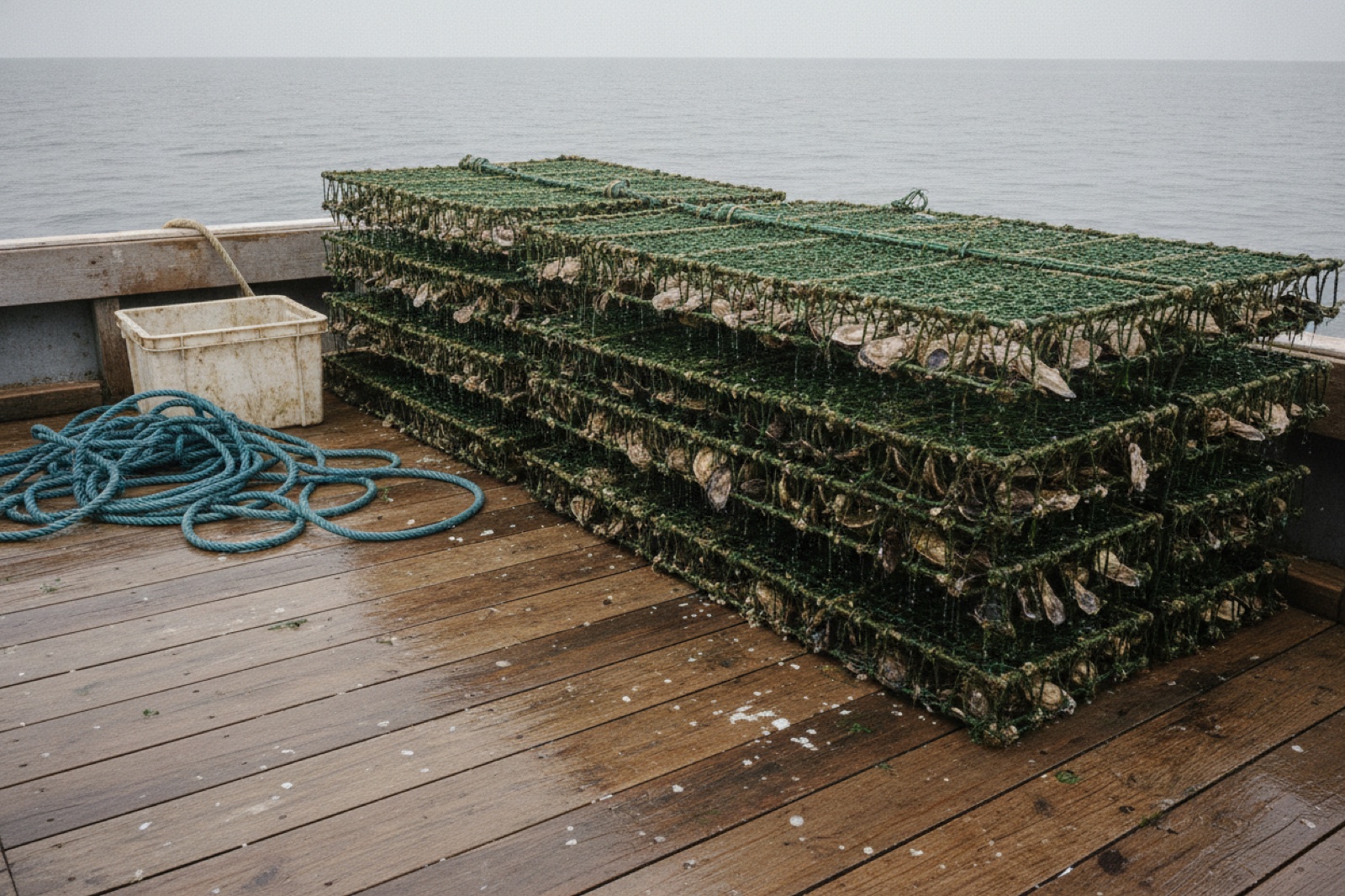
Kimberley coast, Western Australia — Pinctada maxima — silver-lipped oyster. The Kimberley runs one of the largest tides on earth — up to eleven metres twice a day. That water moves an enormous amount of food past a stationary oyster, which is why the shells here grow so large and lay down nacre so quickly.
Three other lots.