Provenance

Three lagoons, named.

Every pearl in this collection can be traced to one lease, one species of oyster, and one harvest window. Below is where each of them is, what grows there, and why the water makes the difference it does.

Chapter I · buying here since 2016

Tallon Reef

Kimberley coast, Western Australia

The Kimberley runs one of the largest tides on earth — up to eleven metres twice a day. That water moves an enormous amount of food past a stationary oyster, which is why the shells here grow so large and lay down nacre so quickly. Tallon Reef works a small lease on a two-year cycle rather than pushing for a third graft, so the pearls come out thicker in the coat and rounder than the numbers would suggest.
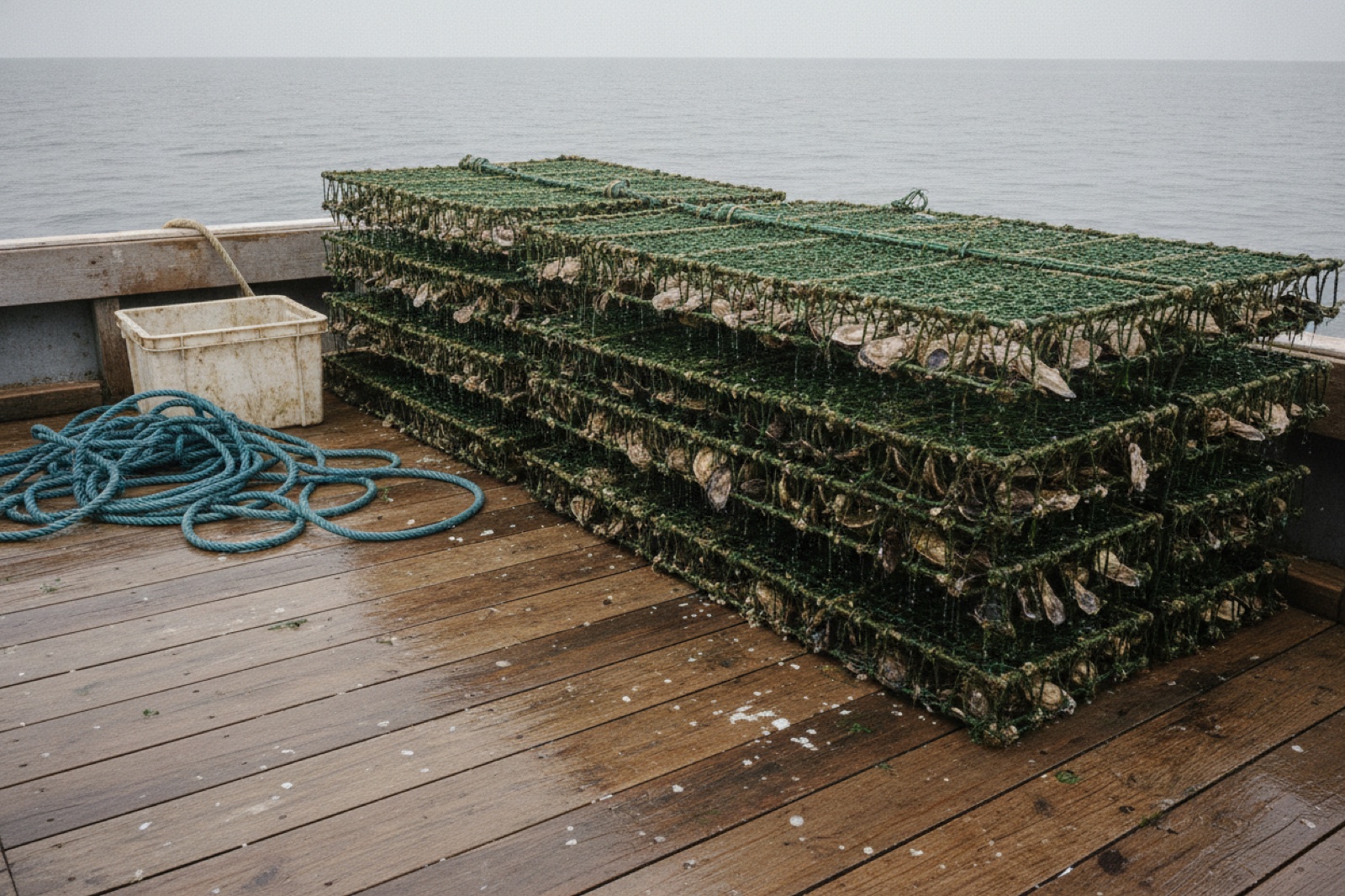
Tallon Reef, Kimberley coast, Western Australia
Plate I · Tallon Reef

We have bought from the same three lines here since 2016. Panels are lifted and cleaned roughly every six weeks; the harvest is lifted in one window each year, in the cooler months, and we grade the lot on the boat before it is sorted for sale. Nothing from this lease is bleached, dyed, or polished.
Chapter II · buying here since 2018

Motu Ahé lagoon

Tuamotu Archipelago, French Polynesia

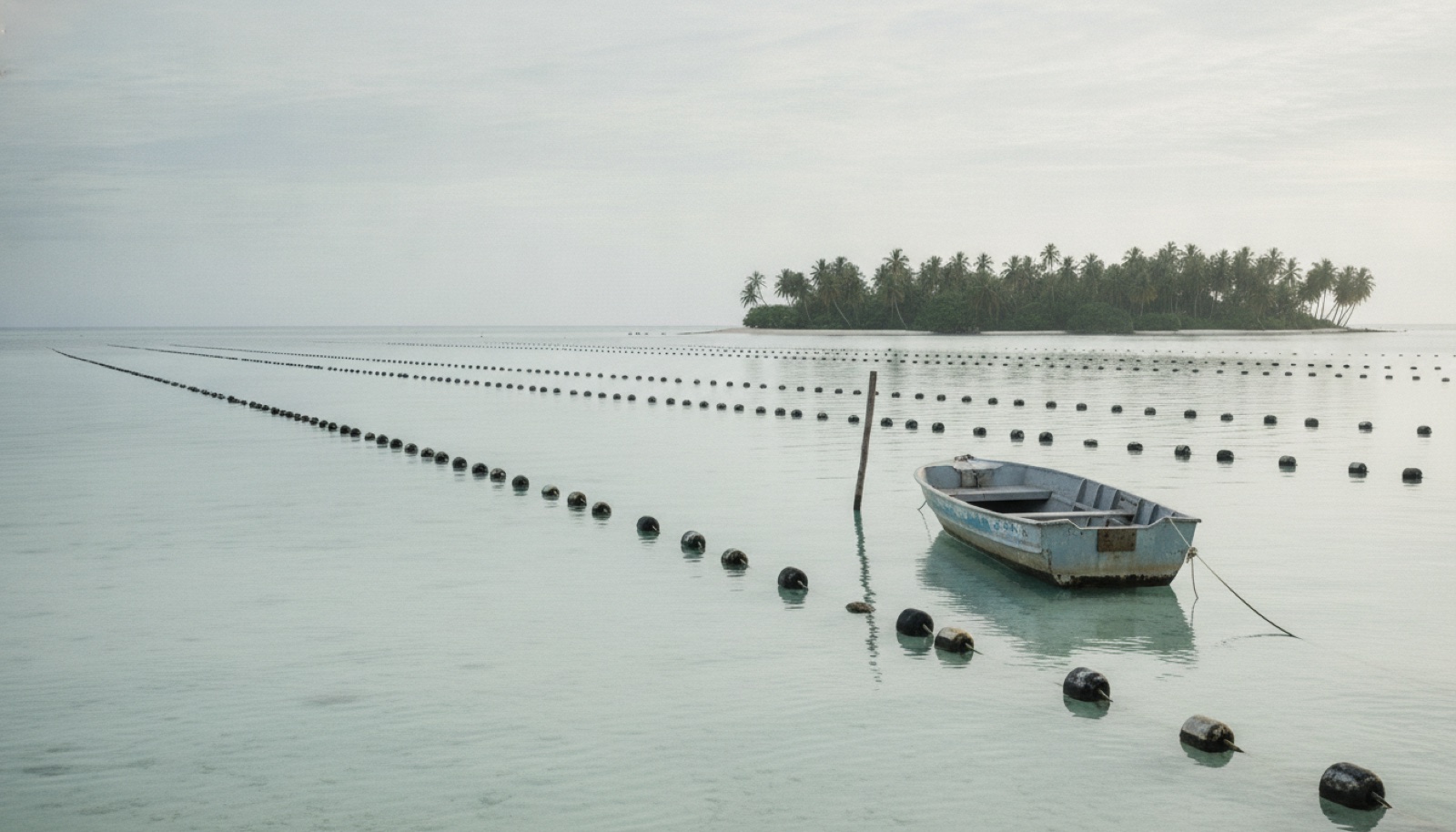
A Tahitian pearl is dark all the way through — the colour is the oyster's own shell lip, not a treatment. What varies is the overtone floating on top of that dark body: the greens and violets people call peacock, or the smoky purple called aubergine. Motu Ahé is a small, deep, cool lagoon, and cool water grows slower, tighter nacre.

Motu Ahé lagoon, Tuamotu Archipelago, French Polynesia
Plate II · Motu Ahé lagoon

French Polynesia dropped its 0.8mm minimum nacre requirement for export in 2017, which means thin-coated pearls can now leave the country legally. We kept the old rule. Nothing we buy from Motu Ahé measures under 1.2mm of nacre, and the measurement is on the report.

Chapter III · buying here since 2014

Ago Bay

Ise-Shima, Mie Prefecture, Japan

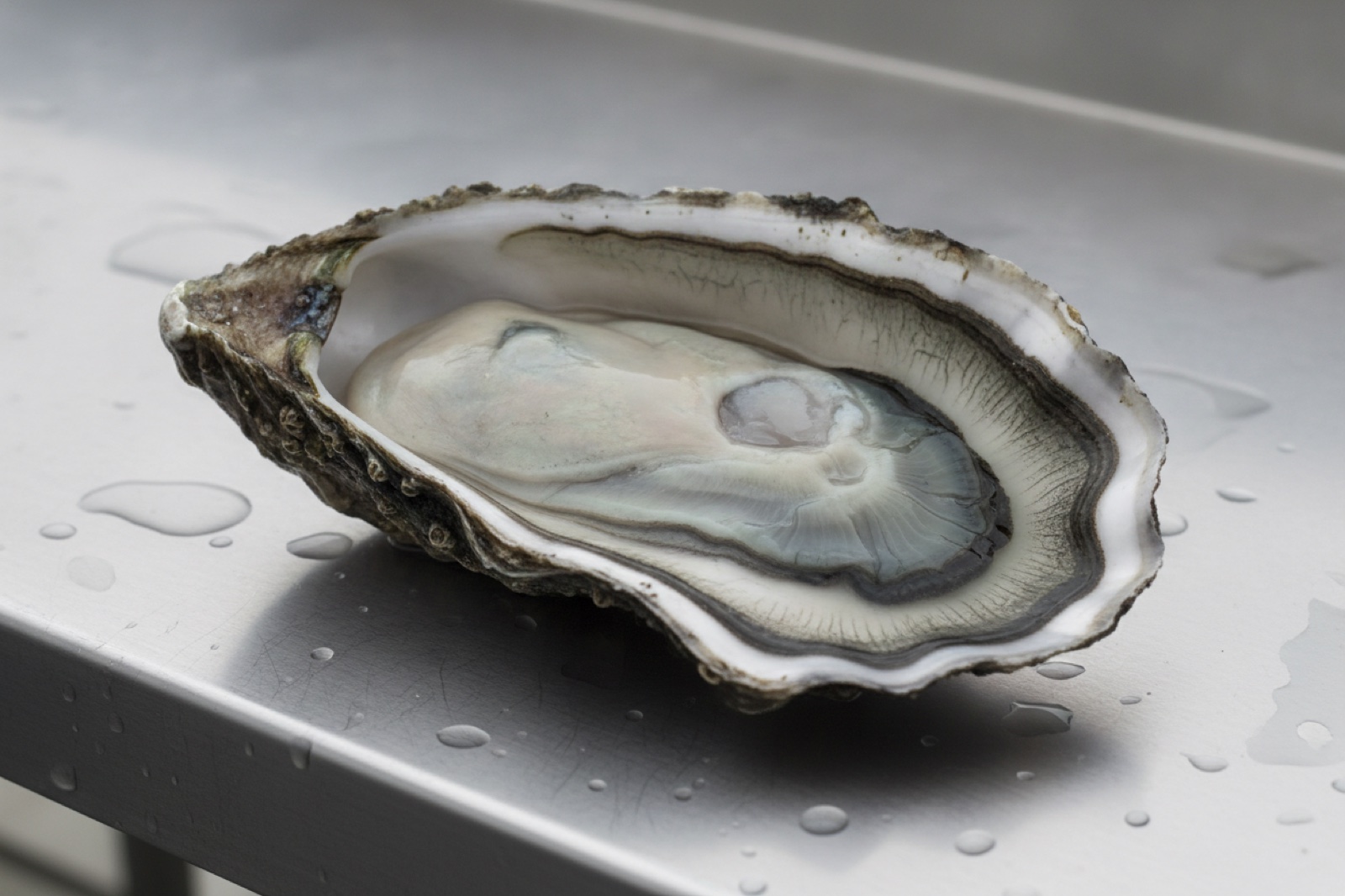
Akoya are the small, white, brilliantly reflective pearls most people picture when they hear the word. The bay they come from is cold in winter, and the cold is the point: the oyster slows down and lays nacre in finer layers, which is what produces that hard, mirror-like surface. The best of them are lifted in January and February.

Ago Bay, Ise-Shima, Mie Prefecture, Japan
Plate III · Ago Bay

We buy winter-harvested akoya only, and only from lots that measure 0.4mm of nacre or better per pearl. That is the threshold the Japanese laboratories use for their top certification. We do not use the trade name for it, because we did not issue the certificate.

The point

Why a farm name is worth more than an adjective

Pearl marketing runs on words like "ethically sourced" and "direct from the source", which cost nothing to write and can be checked by nobody. A farm name can be checked. A harvest year can be checked. A nacre measurement in millimetres can be checked against the pearl itself with an X-ray, by anyone, at any time.

There is a second reason. Water makes the pearl. The tide, the temperature and the food in one lagoon produce a different animal from the lagoon two hundred miles away, and if you know which lagoon you are buying from, you know most of what there is to know about what you are getting.

And one thing we will not claim

One thing we will not claim

We do not own these farms and we do not run them. We are a customer, buying a small share of three annual harvests. Anyone telling you they control a pearl from the seabed to your neck is either very much larger than us or not being straight with you.